The Doomsday Glacier Is Getting Closer and Closer to Irreversible Collapse
The Doomsday Glacier Is Getting Closer and Closer to Irreversible Collapse
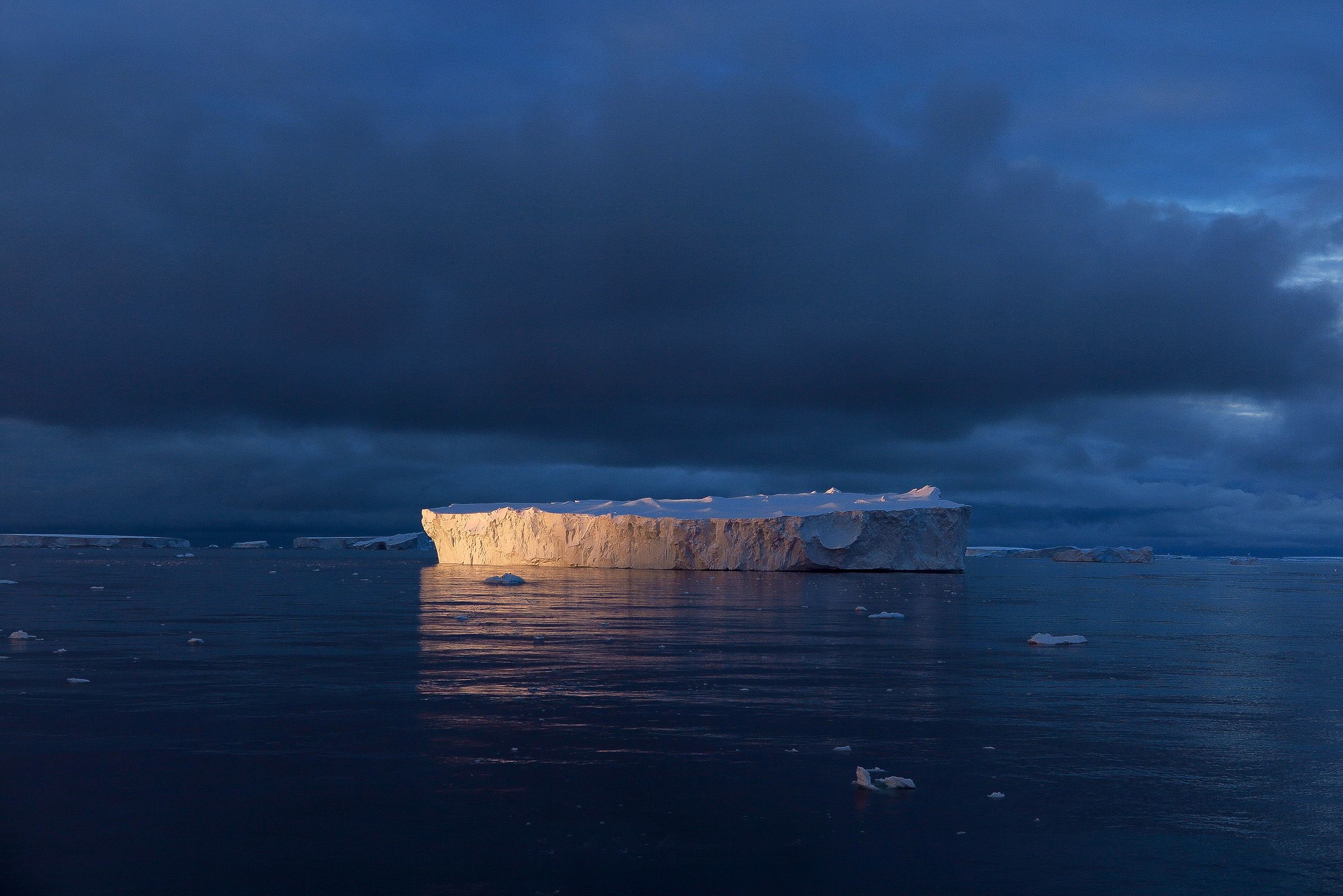
Scientists are sounding the alarm as the Thwaites Glacier in Antarctica, also known as the “Doomsday Glacier,” is rapidly melting at an alarming rate.
Recent studies have shown that the glacier is losing ice at an accelerating pace, leading to concerns that it may soon reach a tipping point that could trigger a catastrophic collapse.
If the glacier were to collapse, it could raise global sea levels by several feet, leading to widespread flooding and displacement of populations around the world.
The melting of the Thwaites Glacier is largely attributed to rising global temperatures and the increasing levels of greenhouse gases in the atmosphere.
Efforts are being made to study the glacier more closely and monitor its changes in order to better understand the potential risks it poses.
However, time is of the essence, as the glacier continues to retreat at an alarming rate, bringing it closer and closer to irreversible collapse.
Scientists warn that urgent action is needed to address climate change and mitigate its impacts in order to prevent further loss of ice from the Thwaites Glacier and other vulnerable ice sheets around the world.
As the Doomsday Glacier moves closer to the brink of collapse, it serves as a stark reminder of the urgent need for global cooperation and action to address the climate crisis before it’s too late.
It is hoped that increased awareness of the risks posed by the Thwaites Glacier will spur governments, organizations, and individuals to take meaningful steps to reduce greenhouse gas emissions and protect our planet for future generations.